EN
EN



Home > > Industry News
Original Keywords: Progressive Die Stamping, Lean Manufacturing, Cost Optimization, Precision Stamping
In today’s hyper-competitive and increasingly cost-conscious global manufacturing landscape, the principles of lean manufacturing have transcended from a niche methodology to a fundamental operational imperative. Companies across all sectors are under immense pressure to streamline processes, eliminate waste, and maximize value. Within the realm of metal forming, one technology has proven to be a cornerstone of this movement: progressive die stamping. This sophisticated method of precision stamping is not merely an incremental improvement over traditional techniques; it represents a paradigm shift in how high-volume components are produced, making it a critical enabler for any organization committed to genuine cost optimization and the rigorous application of lean manufacturing principles.
A recent analysis by the Boston Consulting Group (BCG) underscores this reality, revealing that optimizing stamping processes can slash total part costs by a staggering 18% to 35% for medium-to-high-volume components. At the heart of these savings is the inherent efficiency of progressive die stamping. Unlike single-stage stamping, which requires multiple setups and manual handling, a progressive die stamping operation performs a series of simultaneous actions on a metal strip as it feeds continuously through the die. This single, automated process—encompassing punching, coining, bending, and more—dramatically reduces labor costs and eliminates the time-consuming and error-prone transfer of parts between presses. This consolidation of operations is a textbook example of lean manufacturing, minimizing non-value-added movement and handling.
The material utilization achieved through progressive die stamping is another key driver of its cost optimization power. Advanced die design and nesting software allow for the intricate arrangement of parts on the metal coil, achieving material utilization rates that often exceed 92%. This stands in stark contrast to traditional single-stage dies, where scrap rates can easily approach 25% or more. In an era of volatile raw material prices, this efficiency in material usage provides a significant and sustainable competitive advantage. For any company focused on lean manufacturing, minimizing material waste is a primary objective, and progressive die stamping delivers on this front unequivocally.
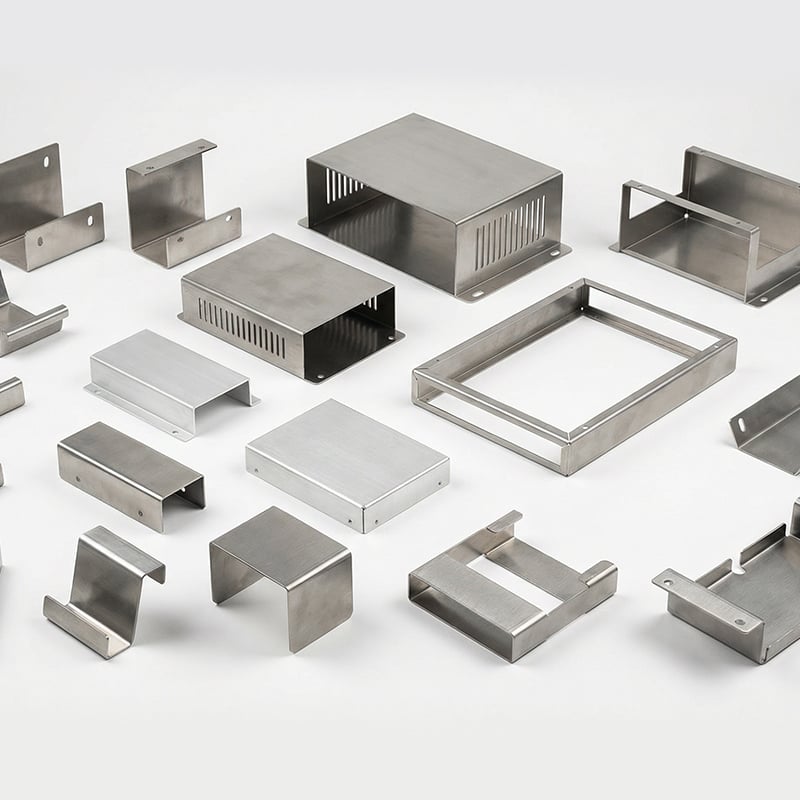
The adoption of progressive die stamping is widespread and growing, particularly in industries that demand both high precision and high volume. Electronic connectors, automotive terminals, consumer appliance structural parts, and medical device components are all commonly produced using this method of precision stamping. The ability to hold tight tolerances consistently across millions of parts is a hallmark of high-quality progressive die stamping. This reliability is crucial for downstream automated assembly lines, where part-to-part variation can lead to costly downtime. By ensuring component consistency, progressive die stamping directly supports the lean manufacturing goal of creating a smooth, uninterrupted production flow.
Recent industry benchmarks further highlight the profound impact of this technology. By investing in high-quality tooling and optimizing press line cycle times, leading manufacturers are extending die life to over 200 million strokes. This longevity reduces the total cost of ownership for tooling and minimizes downtime for maintenance—both critical metrics in cost optimization. The result is an average per-part cost reduction of 27% and a remarkable 40% boost in overall output capacity. Such gains are not just incremental; they are transformative, significantly strengthening a company’s competitiveness in the global marketplace. This level of efficiency is a testament to the power of combining advanced precision stamping technology with a lean manufacturing philosophy.
Furthermore, the integration of sensor technology and real-time monitoring into modern progressive die stamping presses aligns perfectly with the data-driven nature of Industry 4.0 and lean manufacturing. In-die sensors can detect misfeeds, part ejection failures, or material thinning, automatically stopping the press before significant damage to the die or a large batch of defective parts is produced. This proactive quality control minimizes scrap and rework, two of the most significant forms of waste targeted by lean manufacturing. The ability to collect and analyze production data also enables continuous improvement—a core tenet of the lean philosophy—allowing for ongoing cost optimization and process refinement.
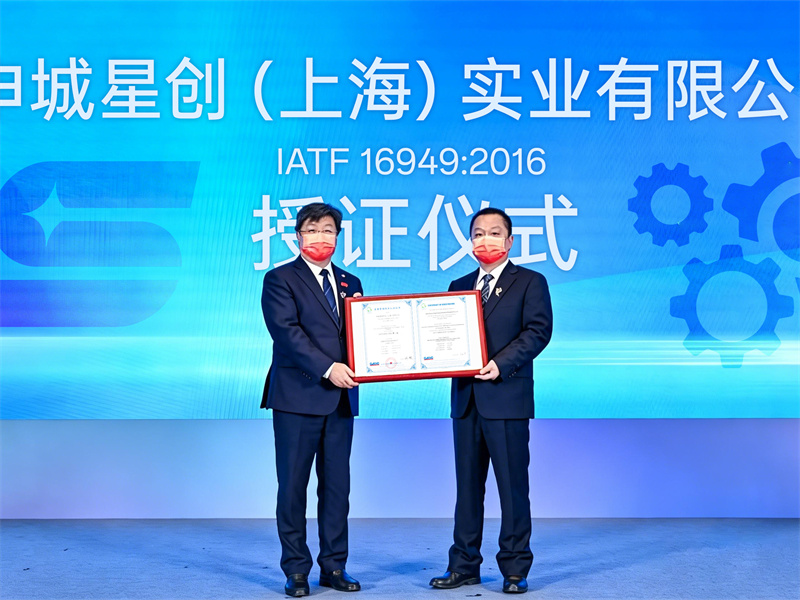
In conclusion, as manufacturers face relentless pressure to deliver higher quality products faster and at a lower cost, the strategic implementation of progressive die stamping has become indispensable. It is more than just a production method; it is a powerful tool for achieving profound cost optimization and a tangible embodiment of lean manufacturing principles. By minimizing waste, maximizing material utilization, and ensuring unparalleled consistency, this advanced form of precision stamping provides the critical competitive edge needed to thrive in the modern industrial era. For companies like Shencheng Xingchuang Industrial, mastering progressive die stamping is central to delivering exceptional value and performance to their clients.
 Hot News
2026-01-26
2026-01-23
2026-01-20
2026-01-15
We are proud to be a trusted partner for industry leaders worldwide
Get in Touch


Copyright © Xnova Engineering & Manufacturing Co., Ltd. All Rights Reserved — Privacy Policy — Blog