EN
EN



Home > > Industry News
Original Keywords: Automotive Supply Chain, Precision Manufacturing, Regionalization, Nearshoring, IATF 16949, EV Components
The global automotive supply chain, once a sprawling testament to globalization, is undergoing a seismic shift towards regionalization. This strategic realignment, often termed nearshoring, is no longer a theoretical concept but a tangible strategy being implemented by a majority of the world’s leading automakers. A landmark 2025 report by McKinsey & Company reveals a compelling statistic: over 73% of global automotive original equipment manufacturers (OEMs) are actively regionalizing their supply chains. This trend is a direct response to a confluence of potent forces, including persistent geopolitical risks, costly logistics disruptions laid bare by recent global events, and increasingly stringent carbon regulations that penalize long-distance transportation. In this new paradigm, the role of regional precision manufacturing partners has become more critical than ever, especially with the concurrent and explosive growth of the electric vehicle (EV) market.
The acceleration of EV adoption adds another layer of complexity and opportunity to the automotive supply chain. The International Energy Agency (IEA) forecasts that a remarkable 18 million EVs will be sold globally in 2025, a significant 22% increase year-over-year. This electric revolution is fundamentally reshaping vehicle architecture, creating immense demand for a new class of specialized EV components, from battery enclosures and busbars to motor laminations and lightweight structural parts. These components demand a higher degree of precision manufacturing than their internal combustion engine counterparts. As OEMs localize their assembly plants to be closer to end markets, the nearshoring of their component supply base becomes a logistical and economic necessity.
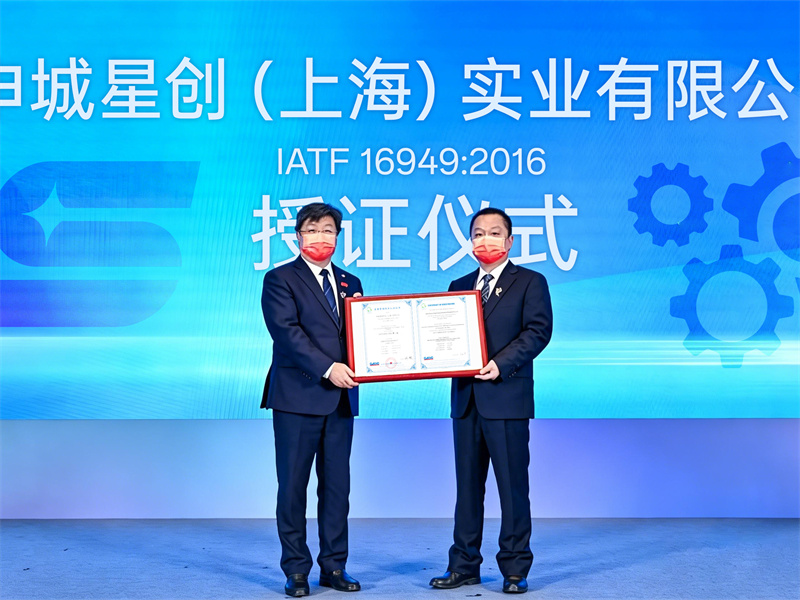
This is where regional precision manufacturing suppliers with the right credentials and capabilities become indispensable enablers of the industry’s transformation. For any supplier aspiring to be part of this evolving automotive supply chain, achieving and maintaining IATF 16949 certification is non-negotiable. This rigorous, globally recognized quality management standard is the gateway to the automotive world, signifying a supplier’s commitment to quality, process control, and continuous improvement. An IATF 16949 certified partner provides OEMs with the confidence that their EV components will be produced to the most stringent standards, a crucial factor when dealing with high-voltage systems and passenger safety. This certification is a cornerstone of successful regionalization efforts.
Beyond certification, flexible production capabilities and a rapid engineering response are paramount. The EV market is characterized by rapid innovation and design iterations. OEMs need precision manufacturing partners who can quickly adapt to design changes, provide fast turnaround on prototypes, and scale production seamlessly. This agility is a key advantage of nearshoring, as it drastically reduces the communication delays and shipping times associated with distant suppliers. A regional supplier that can offer both high-precision stamping for high-volume EV components and advanced CNC machining for more complex, lower-volume parts provides a versatile and invaluable resource within the localized automotive supply chain.
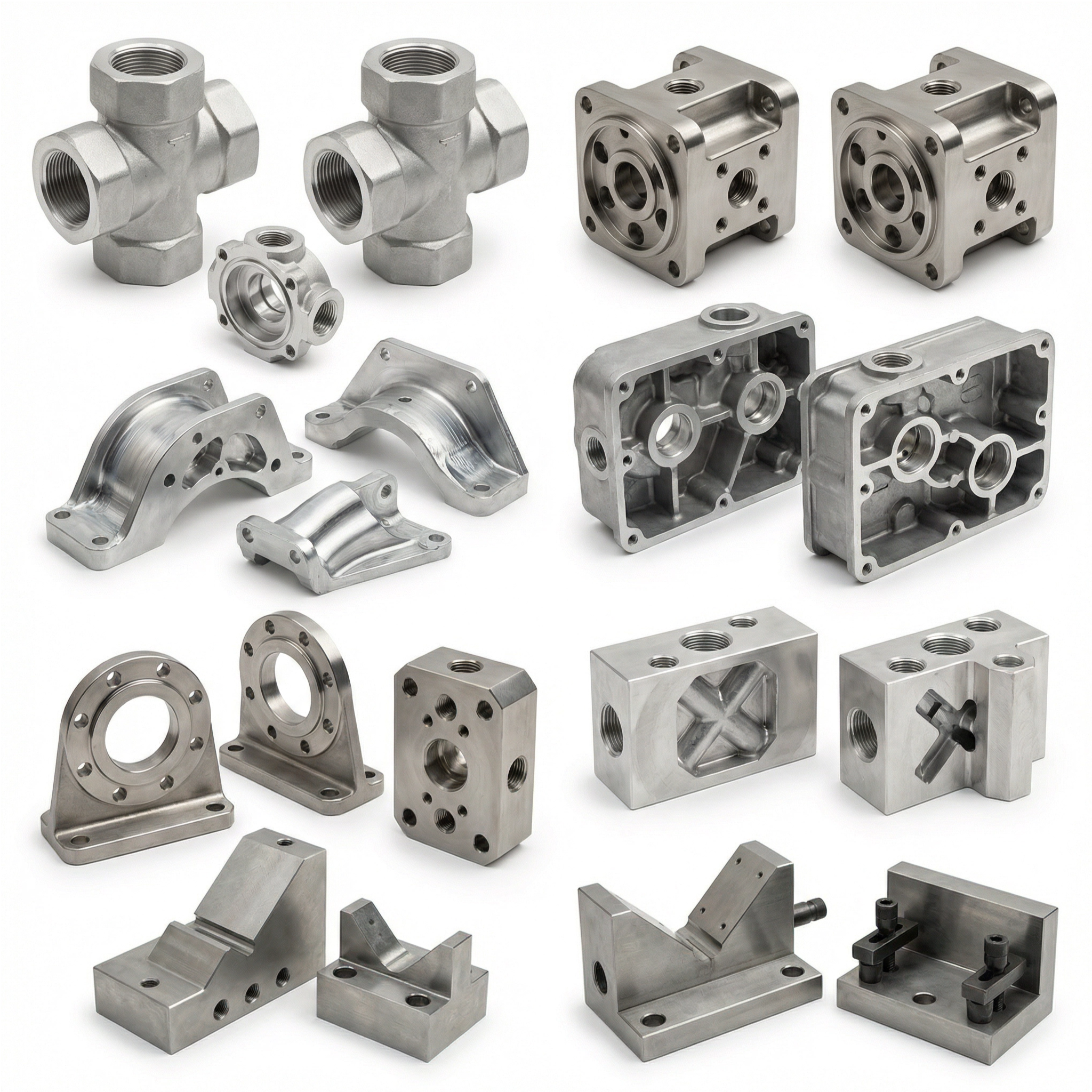
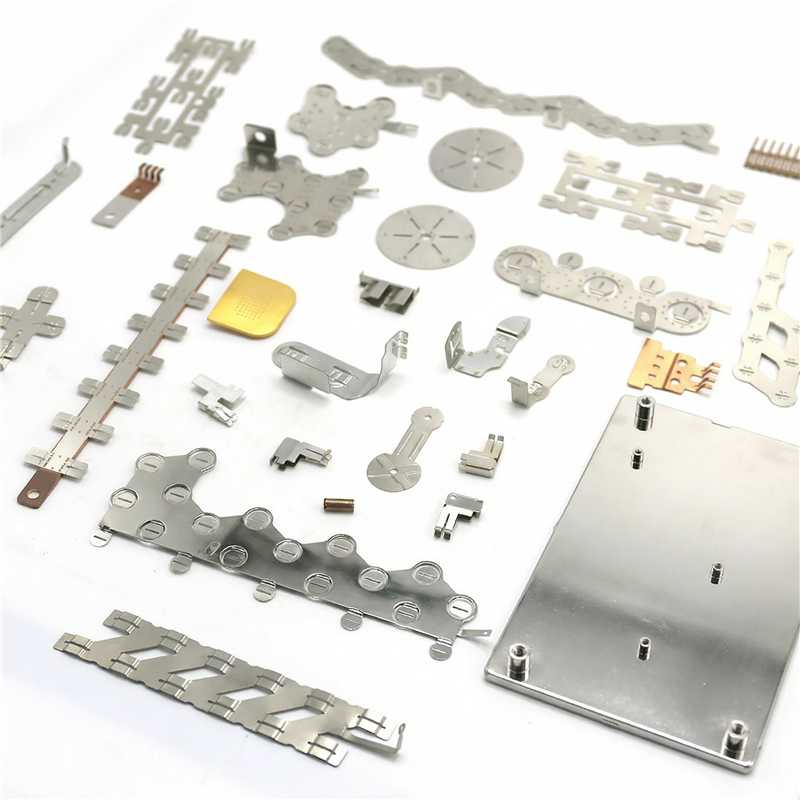
High-precision stamping, for instance, is essential for producing items like battery module frames, connector shields, and motor core laminations efficiently and cost-effectively. Likewise, multi-axis CNC machining is critical for manufacturing complex housings for power electronics, intricate suspension components, and prototype parts. A supplier proficient in both disciplines, like Shencheng Xingchuang Industrial, is perfectly positioned to support the diverse needs of EV production. This dual capability is a powerful enabler of nearshoring, allowing OEMs to consolidate their sourcing with a single, highly capable regional partner.
The strategic shift to regionalization is not merely a defensive move to mitigate risk; it is also an offensive strategy to build a more resilient, responsive, and sustainable automotive supply chain. Shorter supply lines mean reduced inventory carrying costs, faster response to market shifts, and a lower carbon footprint. As OEMs re-shore their operations, they are actively seeking precision manufacturing partners who can grow with them, investing in technology and capacity to support the next generation of vehicles. The ability to supply high-quality EV components is the ticket to entry into this new, localized ecosystem.
In conclusion, the convergence of automotive supply chain regionalization and the EV boom has created a golden opportunity for IATF 16949 certified precision manufacturing firms. The strategy of nearshoring is redefining the supplier landscape, placing a premium on quality, agility, and geographic proximity. As automakers build the factories of the future closer to home, they are in urgent need of partners who can supply the critical EV components that power them. Companies that have invested in the requisite technology, processes, and quality systems are poised to become the foundational pillars of the new, regionalized automotive industry.
 Hot News
2026-01-26
2026-01-23
2026-01-20
2026-01-15
We are proud to be a trusted partner for industry leaders worldwide
Get in Touch


Copyright © Xnova Engineering & Manufacturing Co., Ltd. All Rights Reserved — Privacy Policy — Blog