EN
EN



Home > > Industry News
Original Keywords: 5-Axis Machining, Advanced Manufacturing, Complex Metal Components, CNC Machining, Precision Machining
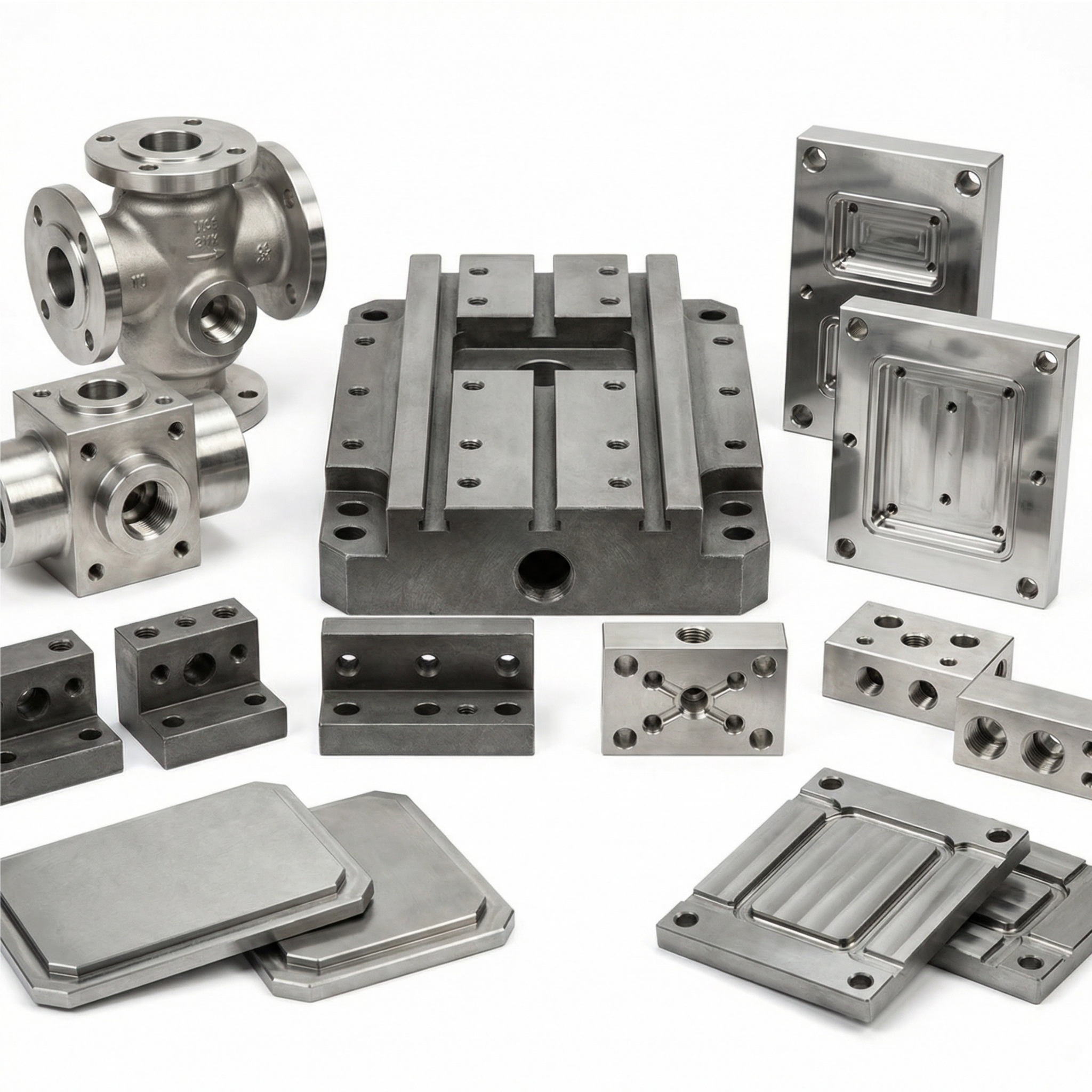
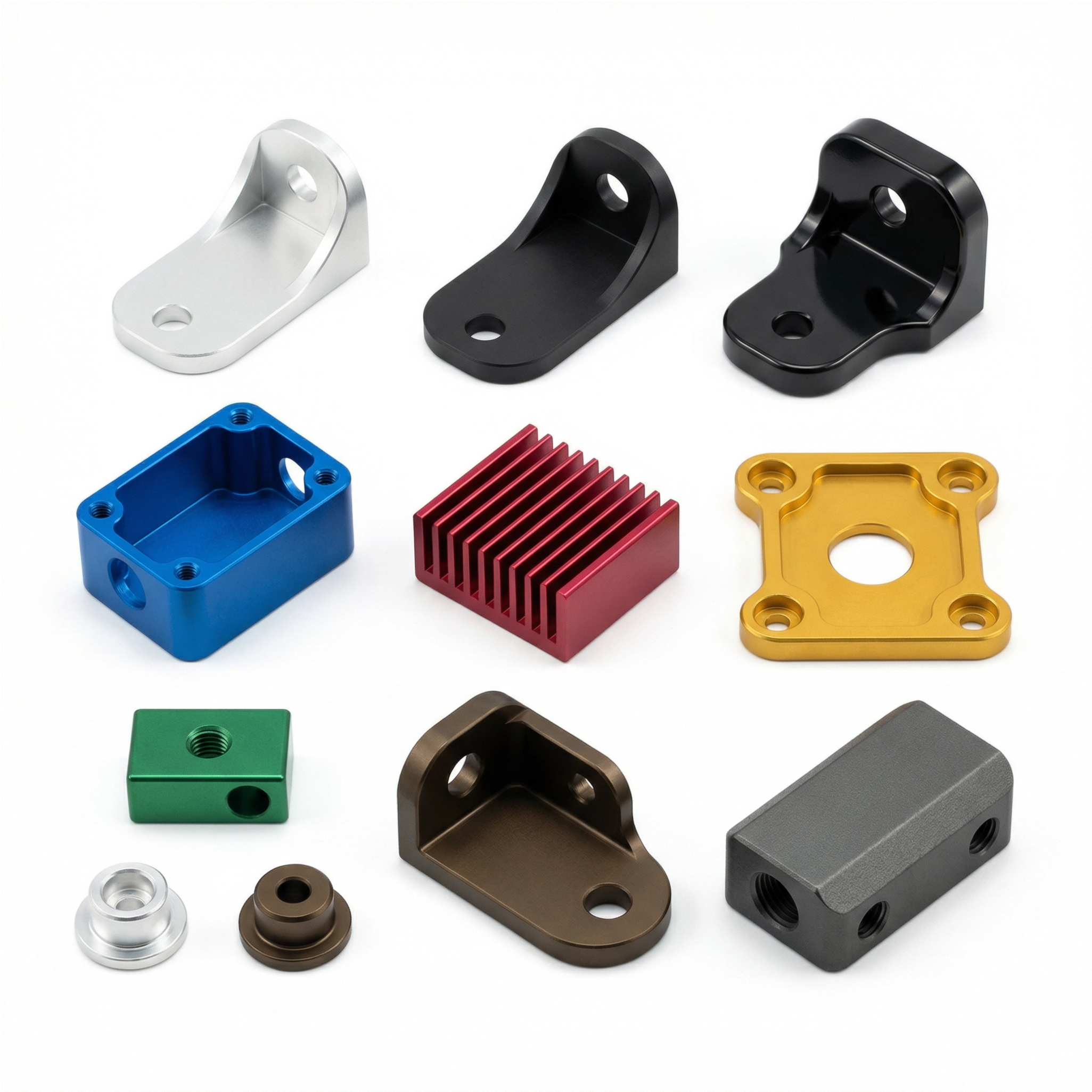
The landscape of advanced manufacturing is being reshaped by an insatiable demand for components with ever-increasing complexity. At the forefront of this technological evolution is 5-axis machining, a sophisticated form of CNC machining that has become a critical enabler for producing the complex metal components that define modern high-tech industries. The market trends paint a clear picture: according to a recent report by Grand View Research, the global 5-axis CNC machining equipment market reached an impressive USD 8.2 billion in 2025 and is projected to continue its robust growth at a compound annual growth rate (CAGR) of 9.4%. This surge is not arbitrary; it is a direct consequence of the relentless push for innovation in key sectors such as aerospace, medical implants, and semiconductor equipment.
These industries are increasingly reliant on integrated, lightweight components that feature intricate geometries and require micron-level tolerances—specifications that are often impossible to achieve with traditional 3-axis or 4-axis CNC machining. The fundamental advantage of 5-axis machining lies in its ability to move a cutting tool or the workpiece along five different axes simultaneously. This capability allows for the machining of complex, contoured surfaces in a single setup. For advanced manufacturing, this single-setup approach, often called “done-in-one” machining, is a game-changer. It eliminates the need to manually re-fixture a part multiple times, a process that is not only time-consuming but also a primary source of cumulative error in precision machining.
A prime example of the impact of 5-axis machining can be found in the production of aerospace components, such as engine brackets or turbine blades (blisks). These complex metal components are designed for maximum strength and minimum weight, featuring organic curves and deep pockets that are inaccessible to a 3-axis machine. By leveraging 5-axis machining, manufacturers can consolidate what would have been multiple-step processes into a single, highly efficient operation. This not only ensures superior accuracy but also dramatically improves yield rates, with some aerospace applications achieving yields as high as 99.2%. This level of efficiency and quality is a hallmark of true advanced manufacturing.
Similarly, in the medical field, 5-axis machining is indispensable for producing custom orthopedic implants and complex surgical instruments. These parts must often conform to a patient’s unique anatomy, requiring the creation of free-form surfaces and intricate features. The ability of 5-axis CNC machining to produce these complex metal components with exceptional surface finishes is also critical, as it reduces the need for secondary polishing and ensures biocompatibility. The precision afforded by this technology directly translates to better patient outcomes, solidifying its role in modern medical device manufacturing.
Industry analysts are bullish on the future of this technology. Driven by continuous advances in computer-aided design (CAD) and computer-aided manufacturing (CAM) software, which simplify the programming of complex toolpaths, the adoption of 5-axis machining in medium-to-high-volume production is projected to increase by over 40% within the next three years. This democratization of 5-axis CNC machining means that its benefits are no longer confined to niche, ultra-high-end applications. It is rapidly becoming a mainstream tool for any company engaged in advanced manufacturing and committed to pushing the boundaries of what is possible with precision machining.
For a precision machining provider like Shencheng Xingchuang Industrial, investing in a fleet of state-of-the-art 5-axis machining centers is a strategic imperative. It signals a commitment to serving the most demanding sectors and tackling the most challenging projects. This capability allows the company to offer solutions for the most complex metal components, moving beyond simple parts to become a true partner in innovation for its clients. It enables the production of parts that are lighter, stronger, and more efficient, directly contributing to the performance of the end product, whether it’s a more fuel-efficient aircraft, a longer-lasting medical implant, or a more precise semiconductor manufacturing tool.
In conclusion, the surge in demand for 5-axis machining is a direct reflection of the broader trends driving advanced manufacturing. As products become more sophisticated, the need for complex metal components will only intensify. The ability to produce these parts accurately, efficiently, and cost-effectively is what separates leading manufacturers from the rest. 5-axis CNC machining is no longer a luxury; it is an essential capability for any company serious about competing at the highest levels of precision machining and delivering the innovative components that will shape the future of technology.
 Hot News
2026-01-26
2026-01-23
2026-01-20
2026-01-15
We are proud to be a trusted partner for industry leaders worldwide
Get in Touch


Copyright © Xnova Engineering & Manufacturing Co., Ltd. All Rights Reserved — Privacy Policy — Blog