 EN
EN


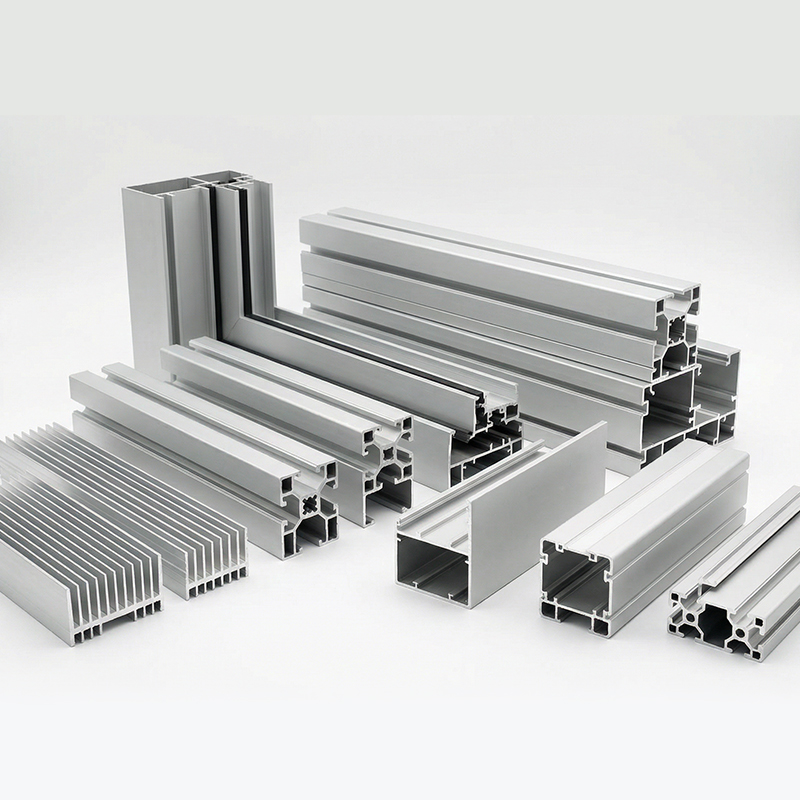
Choosing the right aluminium alloy for heavy-duty stamping are very important. At Xnova, we knows that the right alloy can make a big difference in how well the final product perform. Heavy-duty stamping is a process where metal get shaped into specific forms, and the toughness of the material is key. This is especially true for products that faces a lot of wear and tear. With many types of aluminum alloys available, it can be confusing to decide which one is best for your needs. Each alloy has its own special features, strengths, and weaknesses. So, understanding these differences is essential for making the right choice.
Introduction
When choosing an aluminum alloy for heavy-duty stamping, you should think about several factors. First, consider the toughness of the alloy. Some alloys are stronger than others, and if you need a part that can handle a lot of stress, you will want to pick a stronger one. For example, alloys like 7075 and 7050 are known for their high strength. Then, think about how the alloy will be used, because if it will be exposed to extreme temperatures or harsh chemicals, you might need a different type of alloy. Additionally, it’s important to think about how easy the alloy is to work with during the stamping process. Some alloys are easier to form than others. You might want to choose an alloy that balances strength with workability. And finally, think about cost. Some high-strength alloys can be much more expensive, so you need to find an alloy that fits your budget while meeting your performance needs.
Benefits
There are common issues to be aware of when using aluminum alloys for heavy-duty stamping. One major issue is cracking. Some alloys are more prone to cracking when they are shaped. This can lead to parts that are not usable. If the alloy is too brittle, it may not be able to withstand the forces applied during stamping. Another issue is corrosion. Some aluminum alloys are more resistant to rust and corrosion than others. If your parts will be used in wet or harsh environments, you need to choose an alloy that can handle that without breaking down. In addition, thickness can be a problem. If the alloy is too thick, it may not stamp well, while if it's too thin, it may not provide the strength you need. Lastly, there can be issues with consistency in the material. If the alloy is not made correctly, it can lead to weak spots in the finished product. At Xnova, we are experienced in handling these challenges, and we can help you select the right alloy to avoid these common problems.
Quality
When picking aluminum alloys for stamping, many people make some common mistakes. One big mistake is not knowing what the alloy is made of. Aluminum alloys come in different types, and each type has its own features. For example, some alloys are softer and easier to shape, while others are stronger but harder to work with. If you don’t consider the right type for your project, your finished product might not be as strong or might not hold its shape well. Another mistake is overlooking the thickness of the material. If the aluminum stamping parts may bend or break under pressure. On the other hand, if it’s too thick, it can be hard to stamp and might waste material. It’s also important to think about the environment where the stamped parts will be used. Some aluminum alloys resist corrosion better than others. That’s why if your product will be outside or in a wet area, choosing a corrosion-resistant alloy is a smart decision. Lastly, many people forget to consider the cost. High-quality aluminum alloys can be more expensive, but they often save money in the long run because they last longer and require less maintenance. At Xnova, we focus on helping you avoid these mistakes by providing clear information about each alloy’s properties and how they can fit into your stamping needs.
Applictaion
To make sure your aluminum stamps are durable, you need to choose the right alloy. Strong alloys, like 6061 and 7075, are great for heavy-duty work. These alloys have a good balance of strength and weight, making them perfect for stamps that need to hold up under pressure. When you select an alloy, check its tensile strength, which tells you how much pulling force it can handle before breaking. It’s also essential to look at the alloy’s hardness. Harder alloys can withstand more wear and tear, which is important for stamps that will be used repeatedly. With this, you might want to consider the heat treatment process. Some die casting magnesium aluminum alloy mold can be heat-treated to make them even stronger. This process can improve the strength and durability of your stamps, making them last longer. At Xnova, we believe that understanding these factors is crucial for ensuring the longevity of your products. We provide resources and support to help you select the best aluminum alloy for your stamping projects, ensuring that they will be durable and reliable.
Conclusion
Finding high-quality aluminum turned parts for stamping can be challenging, but there are good sources out there. One of the best places to start is with specialized suppliers who focus on metals and alloys. These suppliers usually have a wide range of materials to choose from, and they can help you find the right alloy for your needs. When looking for a supplier, check if they have a good reputation in the industry. You can read reviews or ask other people about their experiences. It’s also helpful to choose a supplier who offers clear information about their products. This way, you can understand what you’re buying and how it will work for your stamping needs. At Xnova, we partner with trusted suppliers to ensure that we provide only the best materials to our customers. So, consider buying in bulk if you have a large project. Many suppliers offer discounts for wholesale purchases, which can save you money. Remember to ask about the supplier’s return policy in case the materials do not meet your expectations. By sourcing high-quality aluminum alloys from reliable suppliers, you can ensure that your stamping projects will be successful and meet your durability standards.