 EN
EN


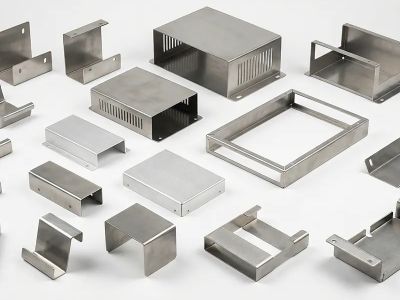
Managing Supply Chain Risks for OEM Metal Stamping Parts
What Buyers Should Know About Supply Chain Risks?
In the automotive industry, managing the supply chain is essential for maintaining production efficiency. At Xnova, we manufacture OEM metal stamping parts that help vehicles perform reliably. However, supply chain disruptions can create significant challenges. If a critical component does not arrive on time, production may slow down, resulting in delivery delays and increased costs. Companies must also prepare for risks such as natural disasters, changing regulations, transportation issues, and supplier shortages. Having a well-planned risk management strategy helps businesses maintain a stable supply chain and meet customer expectations.
When purchasing automotive components, buyers should understand where the parts are sourced. Suppliers located overseas may experience shipping delays or customs issues, so it is important to review their delivery history and reliability. Quality should also be a priority. While premium components may cost more initially, they often reduce maintenance costs and product failures over time. Maintaining backup suppliers provides additional protection against unexpected disruptions. Regular communication with suppliers and staying informed about market trends also help buyers make better purchasing decisions while remaining compliant with industry regulations.
Strategies for Managing Automotive Stamping and Assemblies Supply Chains
Managing supply chain disruptions requires careful planning and strong supplier relationships. Companies involved in automotive stamping and assemblies benefit from working closely with trusted suppliers who communicate potential delays before they become major problems. Early communication gives manufacturers enough time to adjust production schedules or source components from alternative suppliers. Maintaining safety stock is another effective strategy. Keeping essential inventory on hand allows production to continue even if shipments are delayed. Xnova also uses modern supply chain management software to track shipments in real time, making it easier to identify potential issues before they affect operations. Regular supplier performance reviews help identify weak points in the supply chain, allowing businesses to improve reliability over time. Employee training also plays an important role. Teams that understand supply chain risk management can respond more quickly during unexpected disruptions. Like automotive stamping and assemblies By combining technology, supplier partnerships, inventory planning, and workforce training, companies can minimize risks and maintain consistent production.
Key Risks in Automotive Supply Chain Management
The automotive supply chain involves many interconnected processes, from sourcing raw materials to manufacturing finished components. One of the biggest risks is material shortages. If Xnova cannot obtain enough steel or other raw materials needed for automotive stampings and assemblies, production schedules may be disrupted. These shortages may result from natural disasters, geopolitical conflicts, transportation delays, or supplier capacity limitations. Quality control is another critical concern. Receiving substandard materials can negatively affect the performance of finished automotive stamping, leading to customer dissatisfaction and warranty claims. Delivery delays also create production bottlenecks, reducing manufacturing efficiency and affecting customer deliveries.
Changes in customer demand create additional uncertainty. If manufacturers overestimate demand, excess inventory increases operating costs. Underestimating demand may result in lost sales opportunities. Technological advancements and evolving government regulations also require manufacturers to adapt quickly to remain competitive and compliant with industry standards.
Trends Shaping the Future of Automotive Supply Chains
The automotive manufacturing industry continues to evolve as new technologies and market demands reshape supply chains. Sustainability has become a major priority, with manufacturers increasingly using recycled materials and environmentally responsible production methods. Xnova continues exploring sustainable manufacturing practices while maintaining high product quality.
Automation is also transforming automotive production. Modern robotic systems improve manufacturing accuracy, increase production speed, and reduce human error. Digital technologies such as the Internet of Things (IoT) provide real-time visibility into production and logistics, allowing companies to identify automotive stampings & assemblies before they affect operations. The rapid growth of electric vehicles has also changed supply chain requirements. Manufacturers must source new types of components while adapting production processes to support evolving vehicle technologies. Flexible supplier networks and diversified sourcing strategies have become increasingly important following recent global supply chain disruptions. By staying ahead of these industry trends, Xnova continues delivering reliable OEM metal stamping parts, automotive stamping and assemblies and solutions that meet the changing needs of automotive manufacturers worldwide.