 EN
EN


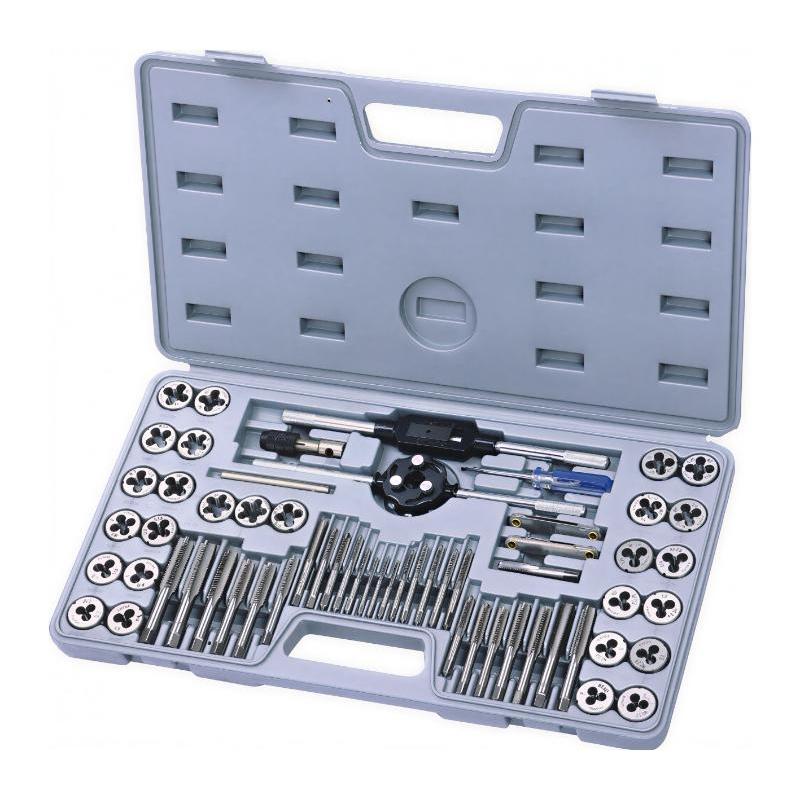
When making parts for machines or products, companies often uses special tools called dies. There are two main types: compound dies and progressive dies. Both has their own strengths and weaknesses, and understanding these can help you decide which one is better for your project. At Xnova, we specialize in providing high-quality dies that can meet various manufacturing needs. Let's take a closer look at the differences between these two types of dies and how to choose the right one for your project.
How to Choose Between Compound Die and Progressive Die for Your Project
Choosing the right die for your project can feel like a big decision. It’s important to think about what you need to make. A compound die stamping can cut and shape metal in one step, this means it creates complex parts quickly. If you need a part that has many different shapes or features, a compound die might be the way to go. However, if you are making a lot of the same part, a progressive die could be better because it works by moving the material through several stations. Each station does a different part of the process, which makes it great for mass production.
For example, if you are creating a simple washer, a compound die could do the job fast. But if you are making a more detailed bracket, a progressive die can help you create many brackets in less time. It’s also smart to consider the cost. Compound dies are usually less expensive to set up, but progressive dies can save money in the long run if you are producing a large number of parts.
Another key point is the type of material you are using. Some materials are easier to work with in a compound die. Others might need the multiple steps of a progressive die. Think about your team’s skills, too. If they are more experienced with one type, that might influence your choice. And think about the timeline of your project. If you need parts quickly, a compound die might be faster to set up. But if you can wait, and if you need a lot of parts, a progressive die might be worth the wait.
Where to Find High-Quality Compound and Progressive Dies for Wholesale
Finding high-quality dies is crucial for your manufacturing project. At Xnova, we focus on providing the best options for both compound and progressive dies. You want to look for a supplier that has a good reputation and understands the needs of your industry. A great place to start is online. Many companies showcase their products and services through their websites. You can read reviews and see examples of their work. This can help you understand if they are trustworthy.
So another option is to attend trade shows or manufacturing events. These events allow you to meet suppliers in person, see their products, and ask questions directly. You can also network with other professionals who might have recommendations for good suppliers. When choosing a supplier, ask about their materials and manufacturing processes. High-quality dies are made from strong, durable materials that can withstand heavy use. You might also want to consider how quickly they can deliver your dies. Fast delivery can help keep your project on schedule.
Don’t forget to ask about customization options. Sometimes, you may need a die that is specially designed for your parts. A good supplier will be able to work with you to create the perfect die for your needs. Look for a company that offers support and guidance throughout the process. This can make a big difference, especially if you’re new to using dies. At Xnova, we pride ourselves on helping our customers find the right solutions for their projects, so they can achieve the best results possible.
What Are the Advantages of Using Compound Die Over Progressive Die?
When we talk about dies in manufacturing, we are discussing tools that cut and shape materials, mostly metal. There are two main types of dies: compound dies and progressive dies. Compound die and progressive die are known for their ability to perform multiple operations in one single stroke. This means that when you push down on the machine, the compound die can cut, bend, and shape the material all at once. This saves time and can make the process more efficient. On the other hand, progressive dies work a bit differently. They do their job in steps. This means that as the material moves through the die, different actions are done at different times.
One big advantage of using compound dies is that they can create very complex shapes in a single step. This is great for making detailed parts that need to fit together perfectly. With compound dies, there is less chance for errors because everything happens at once. This can lead to fewer mistakes and less waste of materials. Another benefit is that compound dies often require less space than progressive dies. Since they do many actions in one movement, they can fit into smaller machines. This can be great for factories that have limited space.
Moreover, using compound dies can also lower costs in the long run. Even if they might be more expensive to buy at first, they can save money on labor and materials because they work faster and more efficiently. For companies like Xnova, using compound dies can speed up production and help create high-quality products. This means that customers get what they need faster, which is always a plus in business. So, while both types of dies have their uses, compound dies stand out because they can do more in less time and space, making them a smart choice for many manufacturing needs.
What Industries Benefit Most from Compound and Progressive Dies?
Different industries use both compound and progressive dies, but some benefit more than others. The automotive industry is one of the biggest users of these dies. Cars have many parts that are made from metal, like frames, doors, and engine components. These parts often need to be made quickly and in large numbers. Here, both compound and progressive dies come into play. Progressive dies are great for making simple parts that can be stamped out quickly. However, complex parts that need more shaping often use compound dies.
Another industry that benefits from these dies is the electronics industry. Many electronic devices have small metal parts that need to be made with precision. Compound dies can create these tiny parts efficiently, while progressive dies can help with parts that need to be produced in bulk. For example, connectors and brackets in devices like smartphones or laptops often rely on these dies to ensure they fit well and work properly.
The appliance industry also makes good use of both types of dies. From refrigerators to washing machines, many appliances have metal parts that are needed for both function and design. Compound dies can create unique shapes for these parts, while progressive dies allow for fast production. Overall, industries that need to produce metal parts quickly and efficiently, like automotive, electronics, and appliances, benefit greatly from both compound and progressive dies. Xnova serves many of these industries, ensuring that they have the right tools to make their products successful.
What to Consider When Evaluating Compound Die for Your Production Needs
When deciding whether to use a compound die for your production, there are several important things to think about. First, consider the types of parts you need to produce. If you are making complex shapes or parts that require multiple operations at once, a compound die might be the best choice. However, if the parts you need are simpler, a progressive die could be more suitable. It’s important to match the type of die to the specific needs of your production.
Next, think about the volume of parts you need to make. If you are producing a large number of items, compound dies can be very efficient because they do many jobs at once. This can save time and reduce costs. On the other hand, if you are producing fewer items, the investment in a compound die might not be worth it. In this case, a progressive die could be a better fit, especially if it allows you to make parts quickly without needing a lot of setups.
You should also consider the cost of the die itself and the machine needed to run it. Compound dies can be more expensive upfront, but they may lead to savings over time due to their efficiency. Make sure to evaluate your budget and see if the benefits of using a compound die outweigh the costs. Finally, think about your factory's layout and the space available for the machines. Compound dies can save space, but if your factory is already set up for progressive dies, it might be easier to stick with what you have. At Xnova, we can help you evaluate your production needs and find the right solution, ensuring you get the best results for your manufacturing process.
Table of Contents
- How to Choose Between Compound Die and Progressive Die for Your Project
- Where to Find High-Quality Compound and Progressive Dies for Wholesale
- What Are the Advantages of Using Compound Die Over Progressive Die?
- What Industries Benefit Most from Compound and Progressive Dies?
- What to Consider When Evaluating Compound Die for Your Production Needs