
DIY Heatsink: Optimize Cooling for Electronics

Get a Free Quote

Our representative will contact you soon.
Email
Name
Mobile
Company Name
Message
0/1000

diy heatsink

Making  a heatsink  at home can be a fun and useful project. A  heatsink  helps keep things cool like computer parts by spreading out the heat. When parts get too hot they can stop working or even get  damaged. Using a DIY heatsink can save some money and let you create something just for your own needs. Xnova is here to help you understand how to make  a good heatsink and what to watch out  for. Let’s dive into how to  make a heatsink work better and some common problems you might face.

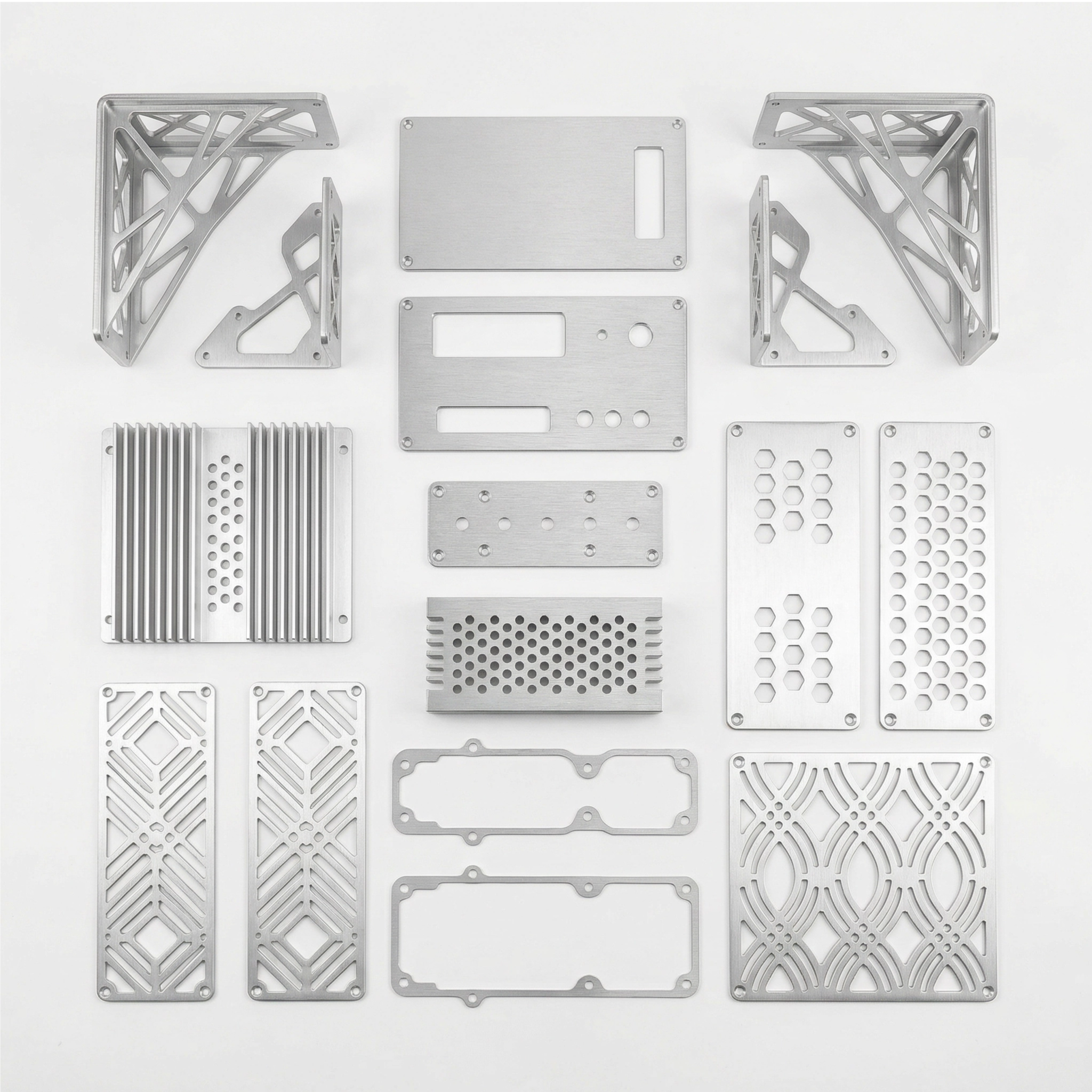
To make your DIY heatsink work its best there are  some important tips to  follow. First choose the  right material. Aluminum is a great  choice as  it is light and conducts heat well. Copper is better at moving heat but it is heavier and  more expensive. You can use both materials together for a super heatsink! Next shape matters a lot. A heatsink with more surface area can cool better so think  about using fins or a larger  flat area. The more space  your heatsink product  has the more heat it can spread  out because of that. Consider using High-Performance Machine & Hand Taps for creating your heatsink with precision.
 

How to Maximize Cooling Efficiency with Custom DIY Heatsinks

Also  keep in mind  that temperature changes can affect your heatsink.  If it gets very hot or very cold  it might not perform as well. Try to  keep your setup in a stable environment. Finally  if you find your heatsink still isn’t working right  it  might be time to rethink your design. Don’t be afraid  to try  something new! With Xnova’s guidance and  a little patience you can overcome these issues and  make a  heatsink that  really works for you. Additionally, consider investing in a Professional Grade Tap and Die Set for better assembly.

After you have your metal cut it’s time to attach it to your electronic device. You can  use a  special thermal paste to help the  heatsink  stick and work better. This paste helps transfer  heat from the device to the heatsink. Apply a small amount of thermal paste on the  hot part of your device and then press the heatsink down firmly. Use screws to hold it in place if needed. Check that it is secure and that there are no gaps where heat can escape.

Our Blog Posts

Sourcing strategies for high-volume oem metal stamping parts procurement

15

May

Sourcing strategies for high-volume oem metal stamping parts procurement

Finding right way for metal stamping parts is tricky sometimes. At Xnova, we knows how important quality parts are, specially for big orders. OEM metal stamping parts use in many fields, like cars and electronics. So you need good plan to get them ea...
View More
Engineering requirements for durable automotive stamping and assemblies

06

May

Engineering requirements for durable automotive stamping and assemblies

When making cars, one big step is stamping. Stamping shape metal parts that go in cars. These parts need to be strong and last long time. Thats why companies like Xnova focus on durable automotive stamping and assemblies. Using right materials and sm...
View More
Vetting suppliers for critical automotive metal stamping parts

05

May

Vetting suppliers for critical automotive metal stamping parts

Finding the right suppliers for automotive metal stamping parts is very important for companies like Xnova. These parts get used in many vehicles, and they needs to be high quality. If the parts aren't good, it can cause problems for cars and trucks....
View More
The role of automotive sheet metal stamping in vehicle weight reduction

13

May

The role of automotive sheet metal stamping in vehicle weight reduction

Automotive sheet metal stamping play a big role in making cars lighter and more efficient. This process shape metal sheets into various car parts, such as body panels or frame. Lighter vehicles can save on fuel and cut down emissions, which help the ...
View More

Get a Free Quote

Our representative will contact you soon.
Email
Name
Mobile
Company Name
Message
0/1000

Related product categories

What Are the Common Usage Issues with DIY Heatsinks?

Sometimes even the best  DIY  heatsinks  can have problems.  If your device  is still getting too hot you might  need to  check  a few things. One common issue is that  the heatsink  isn’t making good contact with  the  hot part. If there are gaps heat can’t  move properly. You can fix this  by checking how  well the heatsink is  attached and if  there is enough thermal paste.  If you used too much  paste it could also cause problems so  make sure to use just a small amount.

How to Easily Build Your Own Heatsink for Electronics

Another  issue could  be  the size of  the heatsink. If  it is too  small  for your device it won’t cool  it down enough. You might need to find a  larger piece of metal or  add more heatsinks if  you have room.  Also make sure  that your heatsink has good  airflow around  it. If it’s stuck  in  a corner with no air it can’t do  its job well. You can add  fans  or make sure it’s placed where air can flow freely.

How to Troubleshoot Common Problems with DIY Heatsink Installations

DIY heatsink technology is always changing and getting better! One of the latest  trends is using  3D  printing to  create  custom heatsinks. This means  you can design a heatsink that perfectly fits your  device.  With 3D printers  becoming more common many  people are  starting to  make  their own unique heatsinks at home. You can choose  special shapes and  sizes  that traditional heatsinks can’t  offer. Plus you can use  materials that are light  but  still effective at cooling! For optimal results, consider using Precision CNC Turning Service to ensure your heatsink is crafted to perfection.

What Our Clients Say

We are proud to be a trusted partner for industry leaders worldwide

Get in Touch
Senior Procurement Manager, Automotive OEM
Xnova has been an invaluable partner for us. Their ability to deliver high-quality, complex components on a tight schedule is unmatched. Their engineering support during the design phase was critical to the success of our project. — John Doe
Senior Procurement Manager, Automotive OEM

Senior Procurement Manager, Automotive OEM

Head of Supply Chain, Electronics Manufacturer
The precision and consistency of the components from Xnova are exceptional. Their quality control is top-notch, and they have never missed a delivery deadline. We highly recommend them. - Jane Smith
Head of Supply Chain, Electronics Manufacturer

Head of Supply Chain, Electronics Manufacturer

Production Manager, Industrial Equipment Company
We switched to Xnova for our custom fasteners and have been extremely impressed. The quality is superior to our previous supplier, and their pricing is very competitive. Their customer service is also excellent. - Robert Brown
Production Manager, Industrial Equipment Company

Production Manager, Industrial Equipment Company